ABOUT:
Rhythm is the breath of life— It is the silent thread stitching nature, music, and movement into one living story.
A deep listening excersize in the rhythms of nature with a focus on the language of the land. How can we tune in to our surroundings by loosening our grip of self to become more present in our own felt senses and surroundings? From egocentic energy to ecocentric,
; A hunters remedy.
(\_/)
( •_•)
/> <\
We will spend the first part of this workshop outside guided into dropping into the deepest layers of sound in the landscape. Becoming one with the language of the environment as a resource for grounding. The land is always speaking and when we listen, we surrender to the humility of awareness outside of our own self-centered egos. If we choose to pay attention to the ordered chaos there is a lot we can learn about the landscape, tempos, and all the interweaving patterns at play.
‘Complex patterns stimulate cognitive engagement and emotional depth, much like the way natural soundscapes enrich human attention and memory. This connection reveals rhythm not as a human invention, but as a universal principle of ordered chaos.’ 1.
The second half of the workshop we will return back inside to the studio with an invitation to apply this awareness to music and how our bodies respond in conjunction to rhythm. How can we syncopate our bodies with what we are hearing from an authentic place of pattern recognition? The benefits of these practices attune our capabilities for focus, increase our attention spans, soothe anxiety and awaken our senses for more vital aliveness, more pungent laughter and authenticity. In hopes to allow a sense of unity.
Listening skills and reflective Responses validate the speaker’s experience by paraphrasing or echoing their feelings—not to agree, but to affirm that they were heard. Can we do this with music? Can we apply this to listening with our hearts rather than our egos? Is this where soul arises? The heart of rhythm. Where the heart connects us to rhythm, the soul connects us to melody.
So let us allow soul to speak and for us to listen.
THIS WORKSHOP IS OPEN TO ALL LEVELS OF EXPERIENCE IN DANCE
SOME COLLABORATIVE CHOREOGRAPHY INVOLVED WITH FOCUS ON MUSIC BY * DJ KRUSH, BEYOND RAGING WAVES.
<3
LOCATION: SOL BARN , FREEPORT, MAINE Will Message with direcitons and address
(Extension of Good Medicine Collective.)
5pm - 7pm
https://www.eventbrite.com/e/1995051497735?aff=oddtdtcreator
RSVP/ DONATIONS^
Bring water, bug spray and extra layer or blanket or towel to sit on if wanted/ needed.
This is a doation based event with proceeds going to NGO non profit Cuba Humanitarian Aide.
https://friendsofcaritascubana.org/ reciprocity for the music that originates from a beautiful place in their struggles.
https://projectworldimpact.com/country/cuba
Resources:
“Repetitive biological rhythms—such as the dawn chorus of birds, the steady beat of cicada wings, or the erratic flutter of moths—form the subconscious scaffolding of musical patterns. These natural cadences, honed by millions of years of evolution, resonate deeply in the human ear, triggering instinctive responses, The unpredictable intervals in bird calls, often irregular and layered, inspired polyrhythmic phrasing in improvisation. Research in auditory neuroscience shows that the human brain detects and anticipates rhythmic variation in natural sounds, triggering emotional engagement through dopamine release—a mechanism mirrored in how jazz improvisers “converse” with their ensemble, responding and adapting in real time.” Σχετικά Άρθρα, 1.
About Instructor:
Haley is a passionate mover. She focuses on attuning to the present moment using felt sense meditations and allows space for exploration of how our bodies respond to rhythm and deep listening. There is so much that can be said that is wordless. With a background in Somatic Arts and Trauma Informed Movement, she facilitates witness and observer experiences. Emphasizing compassionate presence for self and other. Truth telling is the foundation of freedom.
With a 40 hour training on Broadway learning Simonson Technique, Contemporary Floor Work, Jazz, and Lyrical through a D.V. Survivors Scholarship, Hands are for Holding. Learning from experts like Katiti King, Kizuna Dance, Zui Gomez, amongst others. This experience gave her a lot of empowerment and confidence that she likes to pass on through her work. Her love for music comes from their Grandfather who was a tenor saxophonist performer in Boston and Havana, Cuba during the 1940s, passed down to her father who embodied deep listening skills in all the rhythms that be whether in nature or in music by ear.
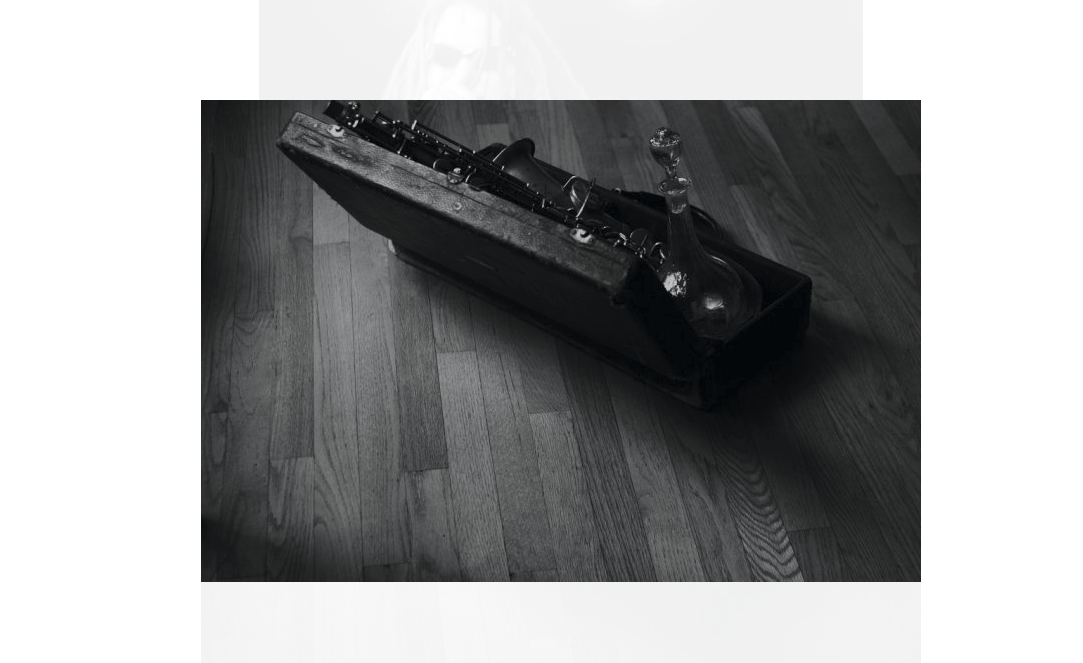
Saxaphone 2009 H. Brandt Photography